

AI Personas: How Different Viewpoints Improve Your Thinking
AI personas are not just tone presets. Used well, they let you examine the same question through different lenses and avoid obvious blind spots.
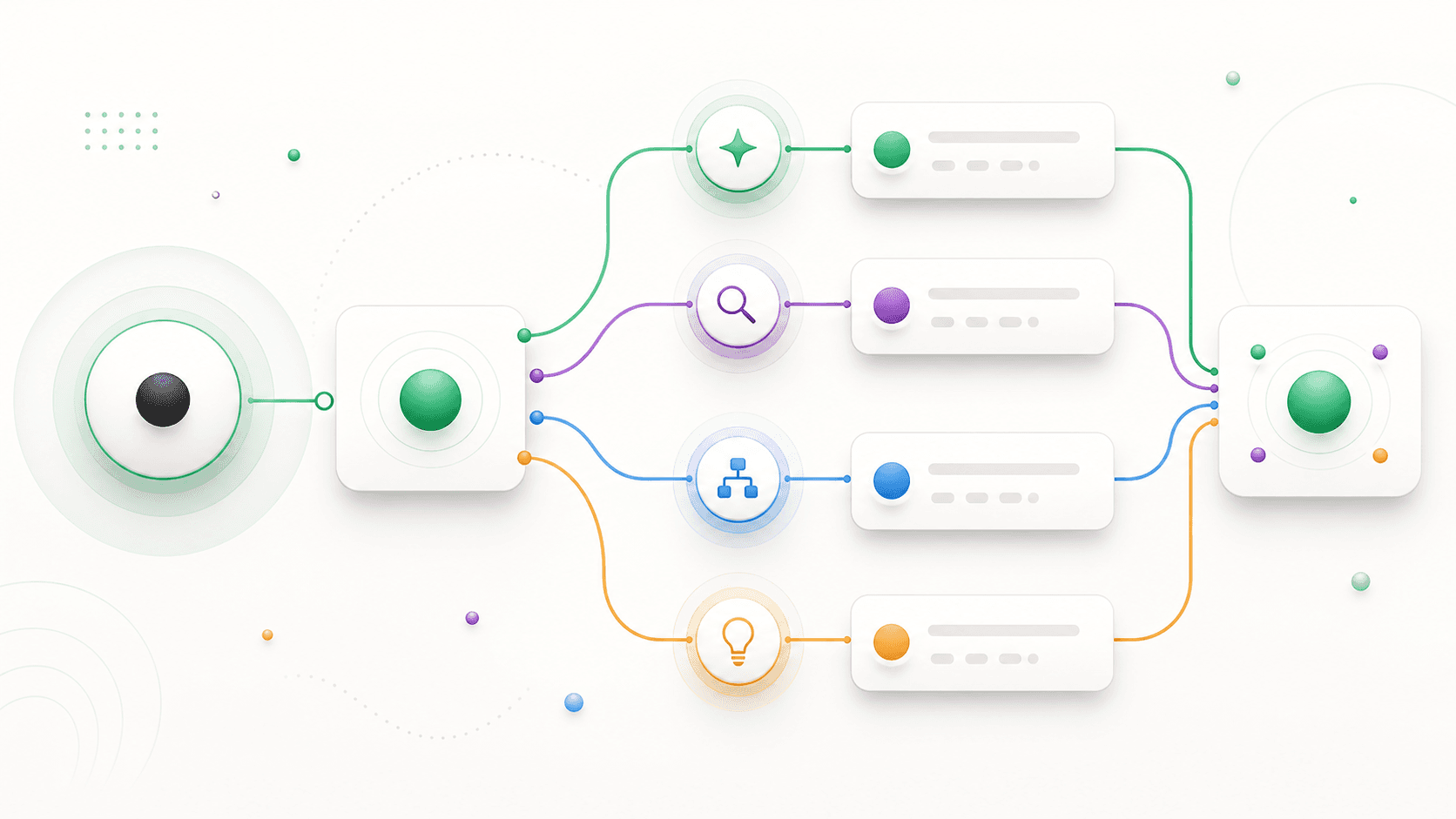
Most people use AI in its default mode: helpful, balanced, polite, and a little generic. That is fine for many tasks. It is not enough for rigorous thinking.
Rigorous thinking needs contrast. You need someone to ask better questions, challenge assumptions, look for operational risk, and make the strongest case for an alternative.
AI personas are useful because they create that contrast.
A Persona Is a Thinking Lens
A persona is not just a writing style. It is a lens for approaching a problem.
Ask the same question in different modes and you get different kinds of value:
- A Socratic tutor asks what you mean and what you are assuming.
- A market analyst evaluates customers, pricing, and competitors.
- A senior engineer checks feasibility, complexity, and failure modes.
- A devil's advocate finds the strongest argument against your plan.
- A creative strategist looks for non-obvious options.
The point is not that one persona is "right." The point is that each one reveals something different.
Useful Personas and When to Use Them
Socratic Tutor
Best for clarifying your thinking. Use this when your question is fuzzy or you suspect you are skipping over assumptions.
Devil's Advocate
Best for stress-testing. Use this before committing to a plan, publishing an argument, or pitching an idea.
Market Analyst
Best for business and product questions. Use this when customer behavior, competition, pricing, or positioning matters.
Senior Engineer
Best for technical decisions. Use this when implementation risk, maintainability, and tradeoffs matter.
Creative Strategist
Best for ideation. Use this when obvious answers are not enough and you need a wider option set.
The Better Workflow: Same Context, Different Viewpoints
The strongest workflow is not changing personas randomly inside one long thread. It is opening separate paths from the same context.
Example:
We are choosing whether to launch self-serve pricing or sales-led pilots first.
From that context, ask:
- Market analyst: What would customer behavior tell us?
- Senior engineer: Which option is easier to support operationally?
- Devil's advocate: Why might our preferred option fail?
- Creative strategist: Is there a hybrid path we are missing?
Now you have several distinct answers to compare. They share the same foundation, but they do not blur into one generic response.
Avoid Persona Theater
Personas can become shallow if you only use them for tone. "Answer like a pirate" changes style. "Answer like a skeptical CFO evaluating downside risk" changes the analysis.
Good personas should specify:
- What they care about.
- What they should question.
- What kind of evidence they value.
- What output they should produce.
For serious work, prefer functional personas over theatrical ones.
Synthesis Is the Final Step
The goal is not to collect five opinions. The goal is to produce a better conclusion.
After comparing viewpoints, ask for a synthesis:
Combine the strongest insights from these viewpoints into one recommendation. Include the main tradeoff, the biggest risk, and the next test.
That final answer is usually better than the first answer because it has been challenged, widened, and compressed.
Why Structure Matters
You can use personas in any AI chat, but a single thread makes them hard to manage. The viewpoints mix together. Earlier assumptions disappear. The useful contrast becomes hard to see.
TalkTree keeps each viewpoint in its own path, while preserving the shared context. That makes persona-based thinking easier to compare and easier to synthesize.
Try the workflow in TalkTree
Open the demo workspace and explore AI conversations as maps.